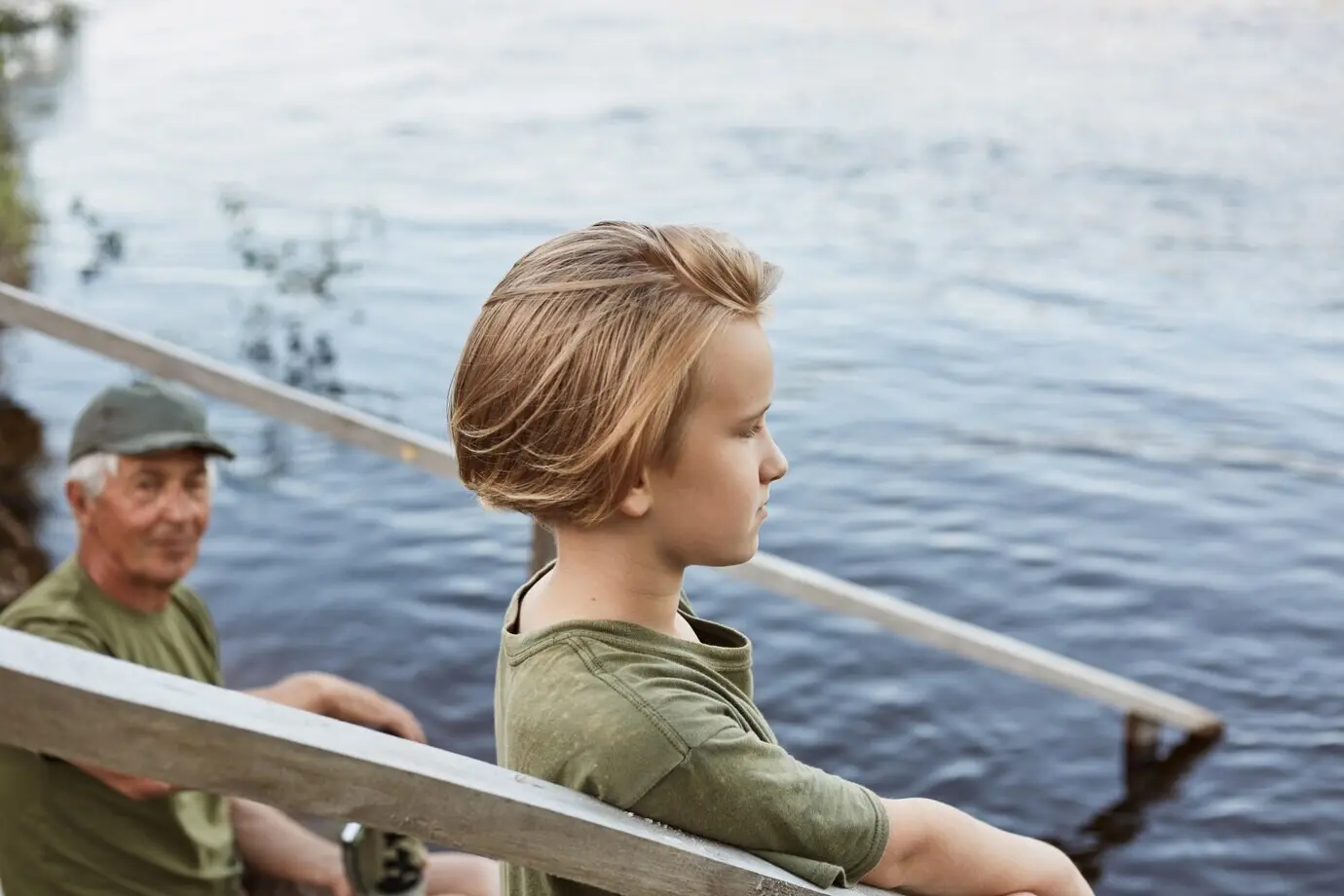
Ride the Rails, Sail the Tides: Wild Atlantic Encounters

Join us as we explore seasonal wildlife safaris by rail and ship in Atlantic Canada, blending slow-travel comfort with unforgettable encounters. From thunderous Fundy tides to misty capes and spruce-framed tracks, this guide celebrates timing, routes, species, and ethical ways to witness nature’s breathtaking migrations and moods.

Spring Openings

When pack ice retreats and coves clear, early plankton blooms attract porpoises, minke whales, and hungry seabirds threading home. Rail schedules feel relaxed, ferry decks less crowded, and shorelines sparkle with meltwater. Dress in layers, expect moody skies, and listen for returning loons echoing across still, cold bays.

High Summer Spectacle

Long days and warm breezes bring humpbacks to feeding grounds, puffins whirl like confetti, and lighthouse cliffs burst with nesting life. Trains hum past wildflower meadows; small ships trace rips where baitfish school. Book early, carry sun protection, and embrace fog banks that shape mysterious, cinematic wildlife moments.

Rails Through the Maritimes

Settle into wide windows, sip something warm, and watch tidal rivers, fishing villages, and salt marshes roll by. Rail travel adds grace and continuity, linking urban gateways to coastal outposts while keeping your senses tuned to landscapes where osprey hover, eagles scout, and distant blows spark whispered excitement.

The Ocean: Montreal to Halifax Window-Seat Wonders

This storied route threads along rivers and valleys toward Atlantic headlands, where dawn can reveal gulls drafting alongside bridges and mist rising over eelgrass. Choose seats on the ocean-facing side, bring binoculars, and chat with attendants who often know subtle stretches where wildlife sightings surprise alert travelers.
Branch Lines and Scenic Sidings

Regional connections and slow sidings offer chance encounters: deer slipping from alders, herons lifting from creeks, or seals hauled out on sunlit ledges. Watch for salt-streaked infrastructure telling tidal stories. When delays happen, treat them as bonus viewing windows and invitations to photograph texture, color, and patient light.

Station Towns with Character

Step off for chowder, walk harbors where old dories rest, and ask locals about yesterday’s whales or the first puffin arrivals. Stations hold community memory; bulletin boards hint at tours, pop-up festivals, and bird walks. Each pause enriches sightings later, layering context onto every spout, wingbeat, and fin.


Sailing the Edges

From sturdy ferries crossing lively straits to nimble small ships tracing cliffed coasts, the water route opens a second, essential perspective. You feel the swells, smell sea spray, and learn to read rips where whales feed, guided by captains whose stories braid weather, wildlife, and seamanship.

Fundy Tides and Whale-Rich Rips

The world’s highest tides create powerful currents that stir nutrients, attracting herring, plankton, and then whales. On calm mornings, blows hang like pale flags above glassy seams. Dress warm, brace your stance, and follow crew cues for respectful viewing while savoring the ocean’s living geometry under changing sky.

Gulf Crossings to Newfoundland and Beyond

Night sailings reveal constellations mirrored on black water, and dawn finds gannets stitching the horizon. Marine Atlantic routes can frame porpoise escorts and distant finbacks. Bring a thermos, layer up for deck time, and learn the ship’s wind shadows for steadier binocular views without straining your balance.

Wildlife You Might Meet

Expect surprises shaped by season and sea. Humpbacks lobtail near bait, minkes slip like shadows, and fin whales carve sleek arcs offshore. On cliffs, gannets thunder into swells while puffins tumble home with capelin. Inland, moose browse quietly, black bears raid berries, and curious foxes test your patience.

Giants of the Deep

Humpbacks breach with theatrical power, sometimes drawing gasps that carry across decks. Fin whales, vast and understated, rise like moving headlands. Keep your camera ready yet pause to simply watch the breath-lit plumes. Crew spot patterns in currents, guiding angles that honor animals’ space and preserve authentic behavior.

Feathered Clowns and Aerial Arrows

Atlantic puffins wobble adorably in flight, then dive like tiny torpedoes. At dramatic capes, gannets fold their six-foot wings and spear the sea with shocking precision. Scan ledges for guillemots and razorbills, and mind seasonal closures protecting nesting colonies that make these coasts feel jubilant and alive.

Ethics, Safety, and Photography

Wild encounters thrive on restraint. Keep respectful distances, mute noise on decks, and let guides lead timing. Prepare for rapid weather shifts, carry stable footwear, and protect optics from salt spray. Thoughtful choices yield truer photographs, calmer animals, and memories that feel generous rather than extracted.

Planning, Budgets, and Community

Thoughtful planning maximizes sightings without rushing. Build buffers for weather, book popular legs early, and support local operators who invest in conservation. Share questions in the comments, subscribe for seasonal updates, and swap stories that help fellow travelers choose dates, routes, and gear with confidence and heart.

Sample 10-Day Rail-and-Ship Loop

Start inland by rail to tune into landscapes, then connect to a ferry crossing timed for dawn wildlife watching. Add a small-ship day trip to bird cliffs, and finish with a coastal hike. Keep contingency time for fog delays and a celebratory chowder when sunlight finally breaks.

Smart Booking and Budget Moves

Combine rail passes with shoulder-season ferry deals, and watch for midweek cabins. Choose locally owned guesthouses near docks to reduce transfers and boost early deck time. Reserve naturalist-led outings first—they sell fast—then fill gaps with flexible hikes or museums that deepen understanding on inevitable weather-shift days.

Connect, Share, and Support Local

Travel thrives on relationships. Ask deckhands for recent sightings, buy pastries from harbor bakeries, and tip guides who model best practices. Share respectful photos, credit communities, and recommend operators prioritizing wildlife welfare. Your comments and subscriptions build a circle where learning, conservation, and delight continually reinforce one another.
Kaluxizeletofupetone
Privacy Overview

This website uses cookies so that we can provide you with the best user experience possible. Cookie information is stored in your browser and performs functions such as recognising you when you return to our website and helping our team to understand which sections of the website you find most interesting and useful.