Rails and Tides: A Low‑Carbon Canadian Odyssey

Settle into the gentle rhythm of eco‑friendly slow travel as we explore low‑carbon train‑to‑ship journeys across Canada, linking mountain passes, forested river valleys, and coastal channels. Expect practical routes, honest carbon insights, real traveler stories, and inviting ideas that help you trade hurry for presence without sacrificing comfort, scenery, or connection to the land and communities you pass through.

Why Rails‑and‑Sails Beat the Red‑Eye

Choosing rail and sea over frantic flights reshapes the entire experience: fewer security sprints, more windows, and cleaner footprints per kilometer. You move with landscapes instead of over them, meet fellow travelers, and arrive rested enough to explore thoughtfully. It is transportation that feels like travel again, with your emissions and stress moving in the same direction—down.

The carbon math, made human

Trains can emit a fraction of the carbon per passenger‑kilometer compared with planes, especially when seats are full and speeds stay reasonable. Modern ferries vary, yet efficient hulls, lower‑sulfur fuels, and shore power help. Combine them and you often halve your footprint versus flying multi‑leg routes, while gaining the priceless dividend of time spent watching rivers, towns, and forests unfold.

Time rich, stress light

Long stretches on rails and decks invite reading, gentle conversations, and unhurried meals. Boarding is simpler, connections can be meditative walks, and you keep your water bottle rather than tossing tiny cups. This reclaimed calm doesn’t just feel better; it helps you notice wildlife, connect with crew and neighbors, and arrive with enough energy to wander sustainably on foot.

Nature seen, not flown over

From eagles patrolling the Skeena River to porpoises slicing the Inside Passage, the journey becomes a moving hide for wildlife watching. Windows turn into classrooms for geology and history as mountains, fjords, and prairies drift by. Slower travel rewards patience with encounters that spark stewardship—because caring for places feels easy when you finally see them closely.

Signature Route: Rockies to Rainforests

Trace a breathtaking line from the Pacific metropolis to alpine bowls, then onward through glacier‑fed valleys toward misty coastal channels. By pairing iconic trains with a storied coastal sailing, you stitch together Canada’s varied biomes. This route favors overnight rest, daylight scenery, and practical transfer points that keep your schedule relaxed and your emissions lean without compromising wonder.

Vancouver to Jasper: windows wide open

Pull out of Vancouver and watch cedars yield to granite walls and snow‑dusted peaks. Dome cars, generous legroom, and a mindful pace keep your senses engaged while your bag stays nearby. Pack layers for mountain swings, bring a reusable cup for hot drinks, and jot station times to stretch your legs at scenic stops without rushing or wasting energy.

Jasper to Prince Rupert: along the Skeena

This two‑day rail segment follows one of North America’s most cinematic river corridors. Bald eagles, broad gravel bars, and cloud‑stitched summits accompany unhurried carriage conversations. Overnight in Prince George breaks the trip into digestible pieces, and daylight timing maximizes views. Respect local communities, acknowledge Indigenous territories, and remember that quieter observation often invites richer, more generous stories in return.

Prince Rupert to Port Hardy: Inside Passage wonders

Sail a legendary channel etched by glaciers and guarded by cedar. Expect lighthouses, kelp lines, and the occasional orca blow. Modern operations work toward reduced emissions through efficient routing and careful speeds. Bring binoculars, a warm deck layer, and curiosity. Early reservations secure cabins, enabling night stretches and dawn horizons that make you whisper thanks into the sea breeze.

Atlantic Story: River, Ocean, Island

Follow historic corridors from café‑lined boulevards to salt‑mist harbors. An overnight rail glide east pairs naturally with a sailing across storied waters toward cliffs, whales, and music‑filled kitchens. The pace encourages conversations with locals, warm bakery stops, and pauses at windswept lookouts. It is a coastal pilgrimage where each connection feels like an invitation rather than a logistical test.

Montréal to Halifax overnight

Board in the evening, settle into a seat or berth, and watch city lights dissolve into the dark ribbon of the St. Lawrence. Morning brings coastal air, maritime accents, and time for a stroll on arrival. Overnight rail compresses distance without the airport shuffle, helping you land rested, hydrated, and already oriented to the cadence of Atlantic hospitality and tides.

North Sydney to Newfoundland by sea

The Cabot Strait sailing transforms a map line into an experience: rolling swells, constellation‑studded skies, and hopeful eyes scanning for whales. Book a cabin to nap, choose a shoulder‑season crossing for calmer fares, and enjoy onboard conversations that often end with handwritten recommendations. Arriving by water frames the island’s cliffs and stories with the respect they deserve.

Practical Planning for Seamless Connections
Great itineraries respect timetables, daylight, and real‑world buffers. Canada’s distances reward thoughtful sequencing and a willingness to linger where the view or conversation invites you. Start with anchor segments, then weave ferries and overnights around them. Consider shoulder seasons for quieter decks and trains, and remember that an extra hour between legs is priceless peace, not inefficiency.

Layers for latitude and microclimates

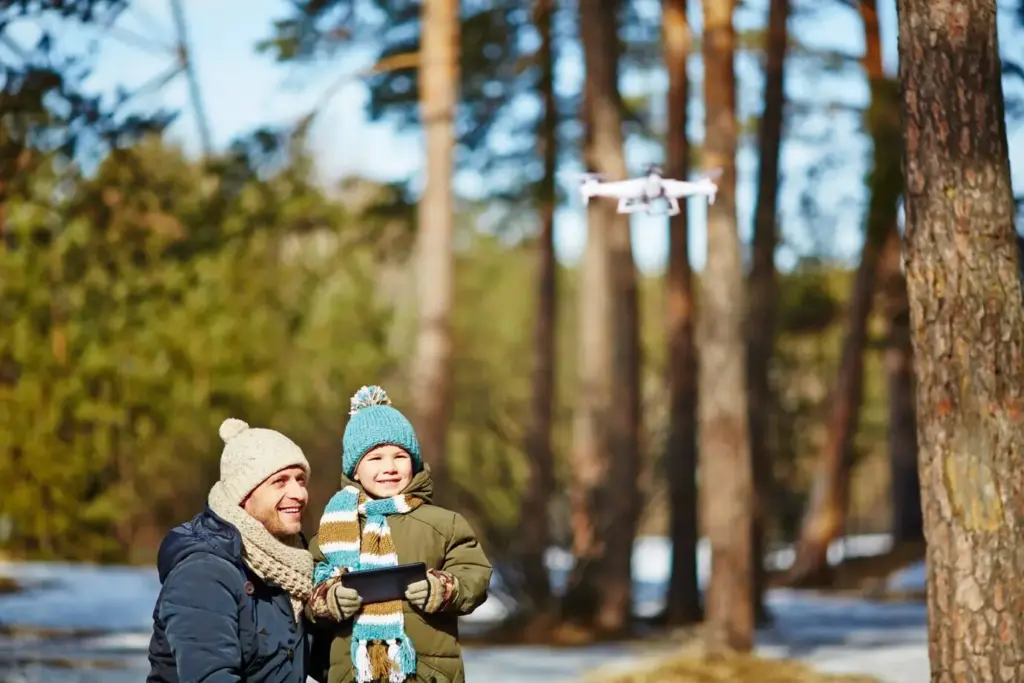
Canada can swing from misty mornings to sun‑warmed afternoons and windy decks. Choose breathable base layers, an insulating mid‑layer, and a wind‑proof shell that shrugs off drizzle. Add a beanie, light gloves, and quick‑dry socks. This modular approach keeps you comfortable across cabins, lounges, platforms, and promenades without hauling bulky gear you will barely use.

Sleep, snacks, and portable rituals

Earplugs, an eye mask, and a scarf that doubles as a pillow elevate overnights. Pack sturdy snacks—nuts, dried fruit, dark chocolate—and a collapsible cup for tea. A tiny journal anchors memories and gratitude. Simple rituals before bed and at sunrise help your body settle, so you wake curious rather than cranky when the next horizon brightens your window.

People and Places Along the Way

Slow connections invite human ones. Station cafés, ferry lounges, and small museums become living guidebooks when you ask gentle questions and listen with care. Indigenous stewardship stories shape many corridors; community‑run bakeries and co‑ops nourish travelers and neighbors alike. These encounters give routes meaning, transforming segments into friendships, recommendations, and reasons to return respectfully and often.

Make It Yours: Plan, Share, Return

Your choices complete this journey. Build an itinerary that fits your curiosity and energy, then return to refine it with each season. Share what worked, what surprised you, and which small decisions saved stress or waste. By pooling knowledge generously, we keep low‑carbon routes vibrant, accessible, and welcoming for first‑timers, families, and seasoned wanderers learning to move gently.

Tell us your connection puzzle

Drop a comment describing the train‑to‑ship link you are considering, your target month, and any constraints. We will answer with timing advice, buffer suggestions, and options for scenic overnights. Your question may help another traveler unlock a confident plan, and you might receive a clever local workaround that never appears in glossy brochures or generic search results.

Subscribe for route alerts and greener tech
Join our update list for seasonal sailing changes, rail schedule tweaks, and encouraging innovations like shore power expansions or efficiency upgrades. We send concise notes with practical actions, not clutter. Staying informed lets you book smarter, travel calmer, and celebrate the steady progress that makes low‑carbon journeys easier, fairer, and more delightful year after year across Canada.

Share, remix, and report back

Post your photos, annotated maps, and hard‑won tips after returning, especially details about accessibility, quiet corners, and wildlife etiquette. Tag fellow travelers who helped you en route. These shared breadcrumbs create a living atlas for others to follow gently. Your reflections also remind you what mattered most, guiding your next itinerary toward deeper connection and lighter footprints.
Kaluxizeletofupetone
Privacy Overview

This website uses cookies so that we can provide you with the best user experience possible. Cookie information is stored in your browser and performs functions such as recognising you when you return to our website and helping our team to understand which sections of the website you find most interesting and useful.